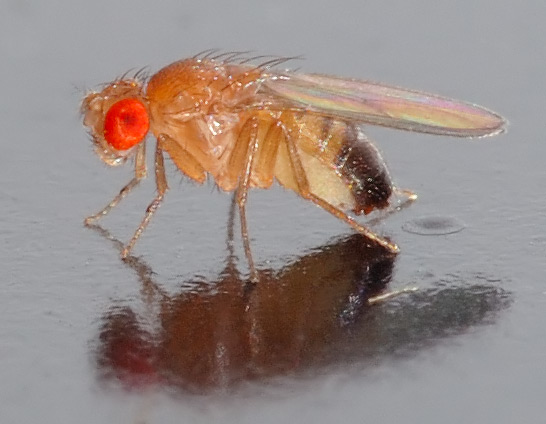
Fruit flies are among the fastest-breeding indoor pests. Because a single overripe banana or a slightly damp drain can trigger an overnight explosion of hundreds of buzzing flies, successful eradication requires finding and destroying their microscopic breeding sources.
The Complete Guide to Household Fruit Flies
Fruit flies are incredibly persistent indoor invaders that can quickly take over kitchens, trash storage areas, and pantries. Because they breed at a lightning-fast pace, simply swatting the adult flies you see will never solve the problem; you must target the hidden, fermenting organic material where they lay their eggs.
1. Identification: Who is in Your Kitchen?
Fruit flies are small, flying insects that are frequently confused with other tiny household pests like fungus gnats or drain flies. Knowing the difference changes how you treat them.
Look closely at physical features, flight patterns, and landing spots to confirm what you are dealing with:
-
Physical Appearance: The common fruit fly is tiny, measuring about $3\text{mm}$ to $4\text{mm}$ in length. Their most defining physical characteristic is their large, bulbous, bright red eyes, though some darker-eyed variations exist. Their bodies are typically tan, yellowish, or light brown with distinct black bands across the abdomen.
-
Flight and Behavior: Fruit flies have a slow, hovering, almost lazy flight pattern. They tend to cluster directly around countertops, fruit bowls, recycling bins, and open wine bottles.
-
Distinguishing the Lookalikes:
-
Fungus Gnats: Jet black, look like tiny mosquitoes, and crawl around the soil of overwatered houseplants.
-
Drain Flies: Fuzzy, dark, moth-like insects that stay pinned to the walls of showers and bathroom drains.
-
2. Why They Enter & What Keeps Them There
Fruit flies possess a highly acute olfactory sense (smell) that can detect the molecular signals of yeast and fermentation from great distances.
-
Hitchhiking into the Home: Fruit flies frequently enter your house as invisible eggs or microscopic larvae attached to the skins of fresh, store-bought fruits and vegetables—especially bananas, tomatoes, and melons.
-
The Scent of Fermentation: Adults are intensely drawn inside by the airborne odors of acetic acid and ethanol. Overripe fruit, rotting potatoes in the back of a cupboard, sticky soda residues inside recycling bins, and unrinsed wine glasses are instant attractants.
-
Microscopic Organic Films: Fruit flies only need a thin layer of moist, decomposing organic matter to lay their eggs. This layer commonly builds up inside kitchen sink disposals, slimy floor drains, damp dish sponges, and the bottom of indoor compost bins.
3. Potential Harm & Damage
Anatomy of Risk: Fruit flies do not possess stingers or biting mouthparts, meaning they cannot bite humans or pets. They also cause zero structural or cosmetic damage to your property. Their entire threat profile is based on food spoilage and biological contamination.
Human, Child & Pet Health
-
Pathogen Mechanical Vectors: Because fruit flies spend their time landing on decaying organic waste, garbage, and bathroom drains, their legs and bodies collect filth. When they land on fresh, unwashed food or kitchen preparation surfaces, they can mechanically transfer harmful bacteria like Salmonella, E. coli, and Listeria.
-
Ingestion Hazards: If children or adults accidentally ingest food heavily contaminated with fruit fly larvae, it can cause gastrointestinal irritation and food poisoning symptoms.
Damage to the Property
-
Accelerated Spoilage: When fruit flies land on healthy produce, they introduce yeast and bacteria that rapidly accelerate the rotting and fermentation process, resulting in financial loss from wasted groceries.
3.5 When to Bypass DIY and Call a Professional
Most fruit fly outbreaks can be solved with deep cleaning and home traps. However, commercial or severe residential situations occasionally require professional help.
3 Signs It’s Time to Call an Exterminator
-
Persistent Commercial Outbreaks: If you run a home-based catering business or have a massive commercial-grade kitchen space where fruit flies have spread into structural wall voids, DIY traps will be overwhelmed.
-
Inaccessible Structural Breeding Grounds: If the flies are breeding deep beneath concrete subfloors due to a cracked or leaking sewer line beneath the house, retail sprays cannot reach the source.
-
Failed Eradication After Total Sanitation: If you have completely removed all food, scrubbed every drain, and cleared out all garbage, yet hundreds of new flies continue to emerge daily for more than two weeks, a professional must use specialized bio-foams to identify and strip the hidden breeding film.
4. Prevention: How to Keep Them Out
An effective defense against fruit flies relies entirely on strict kitchen sanitation and breaking the entry cycle of store-bought produce.
Structural Proofing & Kitchen Habits
-
Wash Fresh Produce: As soon as you bring fresh fruits and vegetables home from the grocery store, wash them thoroughly to remove any hidden eggs or larvae, and store vulnerable items in the refrigerator rather than open bowls.
-
Keep Bins Airtight: Use kitchen trash and recycling bins with tight-fitting, rubber-sealed lids. Rinse out beer cans, wine bottles, and juice containers before dropping them into the recycling recycling box.
-
Sanitize Sponges and Cloths: Replace or sanitize kitchen sponges, dishcloths, and mop heads frequently, as a sour, damp cloth can host thousands of fruit fly eggs.
Natural Deterrents (Scent Barriers)
-
Mint and Basil: Fruit flies intensely dislike the strong volatile aromatic oils found in fresh herbs. Keeping a live pot of basil or peppermint on your kitchen windowsill acts as a natural, clean-smelling deterrent for scouting flies.
-
Lavender Essential Oils: Wiping down the edges of trash bins and pantry shelves with a solution of water and lavender oil disrupts their ability to smell fermenting sugars.
5. Control & Eradication Methods
If you have an active outbreak, standard aerosol insect killers like Raid are highly inefficient because they only kill the flying adults, leaving the hidden eggs to hatch hours later. You must use a strategy that traps the adults while eliminating the breeding sludge.
Treatment Protocols
-
Trap the Active Adults (Step 1: The Liquid Bait): Create a highly effective DIY trap by pouring 5cm of Apple Cider Vinegar (ACV) and a few drops of liquid dish soap into a small bowl or jar. The fermenting scent of the ACV attracts the flies. The dish soap breaks the surface tension of the liquid; when the flies land to drink, they immediately sink and drown.
-
Strip the Breeding Grounds (Step 2: Microbe Drain Bio-Gel): Pour a thick, commercial microbial drain gel (like Invade Bio Drain) down kitchen sink drains and garbage disposals. Avoid using simple boiling water or bleach alone, as these clear out quickly without removing the sticky, rubbery organic biofilm clinging to the pipe walls. The living microbes in the bio-gel eat away the organic sludge, completely starving out hidden larvae.
-
Pantry Purge & Air Clean (Step 3: Total Isolation): Conduct a thorough inspection of your pantries. Check for older bag bottoms of potatoes or onions that may have liquefied. Seal all dry goods, sugars, and baking ingredients into airtight hard plastic containers to ensure surviving flies have zero avenues to feed or lay eggs.