The Complete Guide to Household Rats
Rats are formidable, highly destructive invaders that pose immediate structural and biological threats to your property and family. Successful rat control requires absolute thoroughness, as these rodents can easily bypass lazy trapping attempts and chew through surprisingly tough materials.
1. Identification: Who is in Your House?
The two primary rat species that invade residential properties are the Norway Rat (brown/sewer rat) and the Roof Rat (black/ship rat). Distinguishing between them tells you exactly where they are nesting.
Look closely at physical features and evidence left behind to confirm what you are dealing with:
-
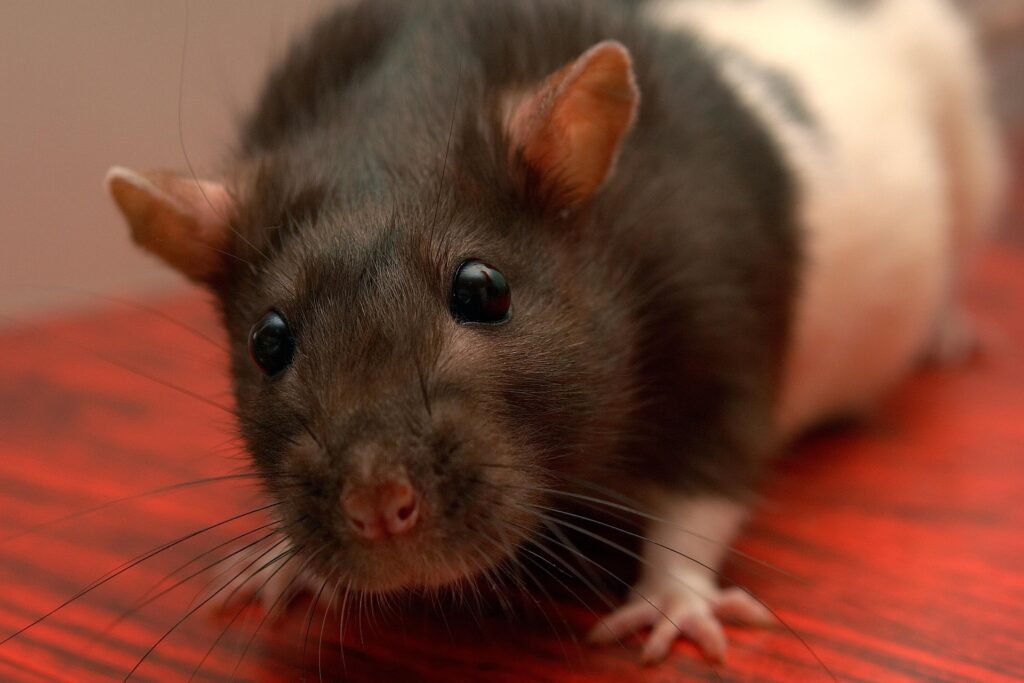
Norway Rats (Brown Rats): Heavy and stout, weighing up to 500g, with a body length of 20cm to 25cm. They have small ears, a blunt snout, and a thick tail that is shorter than their body. Their fur is coarse and brownish-gray. They are ground-dwellers that prefer nesting in basements, crawlspaces, or burrows beneath the foundation.
-
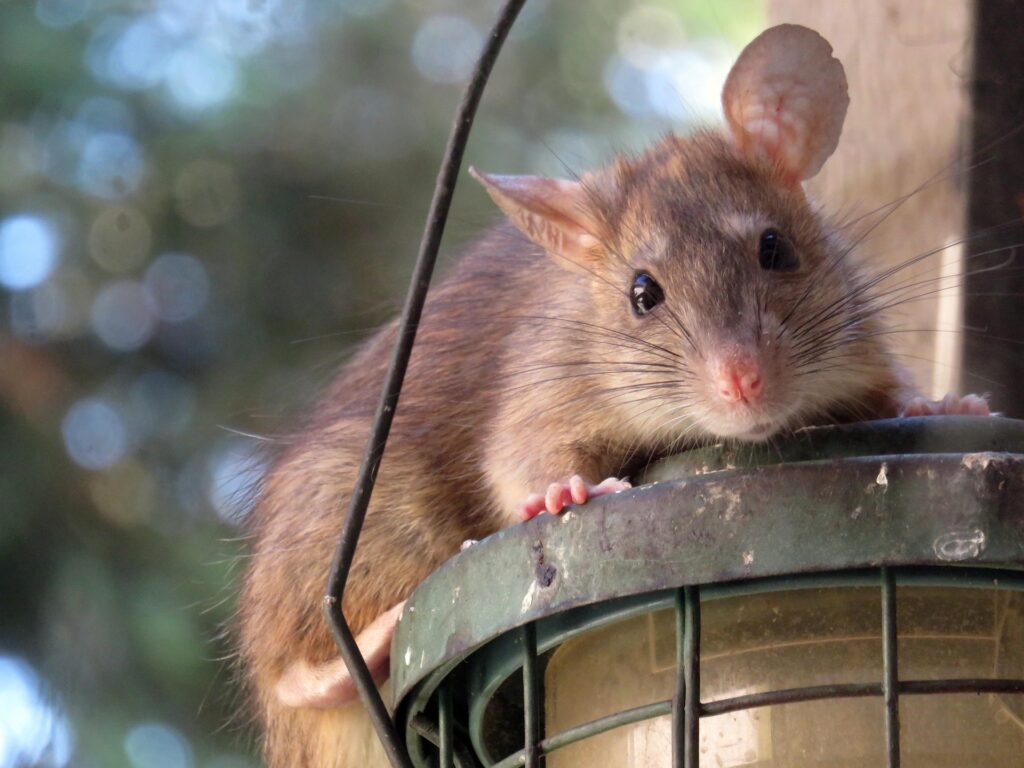
Roof Rats (Black Rats): Sleek and agile, weighing up to 300g, with a body length of 15cm to 20cm. They have large ears, a pointed snout, and a remarkably long, slender tail that exceeds their body length. Their fur is dark gray to pitch black. They are exceptional climbers that prefer nesting in attics, drop ceilings, and upper rafters.
-
Droppings: Rat droppings are significantly larger than mouse droppings. They are dark, crescent or capsule-shaped, and measure about 12mm to 20mm in length. Norway rat droppings have blunt ends, while roof rat droppings have pointed ends.
-
Sounds and Markings: Rats leave heavy, dark, greasy rub marks along walls and baseboards from the oils in their fur. Because of their size, you will often hear heavy scratching, gnawing, or scraping sounds coming from ceilings or walls, especially right after dusk.
2. Why They Enter & What Keeps Them There
Rats are driven inside by the need for stable food resources and secure breeding sites. They can squeeze through any opening the size of a quarter (20mm).
-
Structural Vulnerabilities: Rats will exploit damaged soffits, gaps where rooflines meet, uncovered chimney flues, and broken sewer grates. They can also swim up through damaged sewer pipes and emerge directly into toilets.
-
Abundant Protein and Fats: While mice love small grains, rats are highly drawn to meat, fats, and heavy proteins. Uncovered backyard compost piles, fallen fruit from backyard trees, accessible trash bins, and leftover pet food left outdoors are primary attractants.
-
Water Requirements: Unlike mice, which can get most of their hydration from their food, rats must drink free-standing water daily. Leaking outdoor spigots, clogged gutters, pet water bowls, and swimming pool covers keep them tethered to a property.
3. Potential Harm & Damage
Immediate Health Priority: Rats carry an incredibly high viral and bacterial load. Their physical size also means their ability to destroy structural materials is amplified.
Human, Child & Pet Health
-
Severe Pathogen Vectors: Rats directly transmit diseases like Rat-Bite Fever, Leptospirosis (via urine contamination), and Salmonella. They are also historical carriers of the Plague and Murine Typhus, which are spread to humans and pets via the fleas that feed on the rats.
-
Aggressive Defenses: Unlike mice, which almost always run away when cornered, a trapped or threatened rat can become highly aggressive. They will bite and scratch fiercely, posing a direct physical threat to curious children and domestic pets.
Damage to the Property
-
Severe Structural Gnawing: A rat’s teeth are hard enough to chew through wood, drywall, plastic PEX water pipes, sheet lead, soft copper, and even poorly cured concrete. They can ruin a home’s structural framing and cause catastrophic plumbing floods by chewing through pipes inside walls.
-
Fire Risks: Rats chew through heavy gauge electrical wiring. This strips the insulation away, leaving bare, live wires inside walls that can arcing against wood or fiberglass insulation, causing unexplained house fires.
4. Prevention: How to Keep Them Out
Rat prevention requires heavy-duty physical barriers. Soft materials like foam or standard plastic will not keep them out.
Structural Exclusion
-
Heavy Gauge Wire Mesh: Seal all exterior foundation gaps, crawlspace vents, and roof exhaust vents with 1/4-inch galvanized hardware cloth (steel wire mesh). Secure it tightly with screws. Rats can chew through copper mesh, so galvanized steel is mandatory.
-
Concrete Grouting: For gaps around foundation lines or basement pipes, mix broken glass shards into quick-setting concrete grout and pack the holes completely.
-
Tree Trimming: Keep all tree limbs cut back at least 3 meters away from your roofline to prevent Roof Rats from jumping directly onto your shingles.
Natural Deterrents (Scent Barriers)
-
Ammonia Scent Barriers: Rats have a deeply ingrained fear of predator scents. Cleaning exterior entry points with an ammonia-based cleaner mimics the scent of predator urine, making them hesitant to establish a trail.
-
Eucalyptus and Peppermint: Spraying high-concentrate eucalyptus or peppermint essential oil around outer garbage bins and garage sills can mask the food odors that attract scouting rats.
5. Control & Eradication Methods
Rats suffer from neophobia—an intense fear of anything new introduced to their environment. If you place a trap down, they will avoid it for days. You must trick them to successfully catch them. Never use indoor rodenticide baits; a dead rat rotting inside a wall void produces an unbearable odor that can last for months.
Treatment Protocols
-
Pre-Bait the Traps (Step 1: Overcome Neophobia): Place heavy-duty, professional-grade plastic or wooden rat snap traps along active runways, but do not set the triggers. Bait them with a small amount of bacon grease, peanut butter, or hot dog slices. Leave them unset for 3 to 4 days so the rats get used to feeding off them safely.
-
Set the Traps Simultaneously (Step 2: The Mass Strike): Once you notice the bait is being eaten consistently, bait the traps again and set the triggers all at the same time. Because rats are smart, they learn quickly when they see their nestmates get caught. A massive, simultaneous trap deployment catches the bulk of the population before they learn to avoid the devices.
-
Secure the Trap Line (Step 3: Perimeter Cleanup): Always tie or screw down your snap traps if placing them in attics or crawlspaces. A large rat can sometimes survive a poor strike temporarily and drag the trap into an inaccessible wall void before dying.