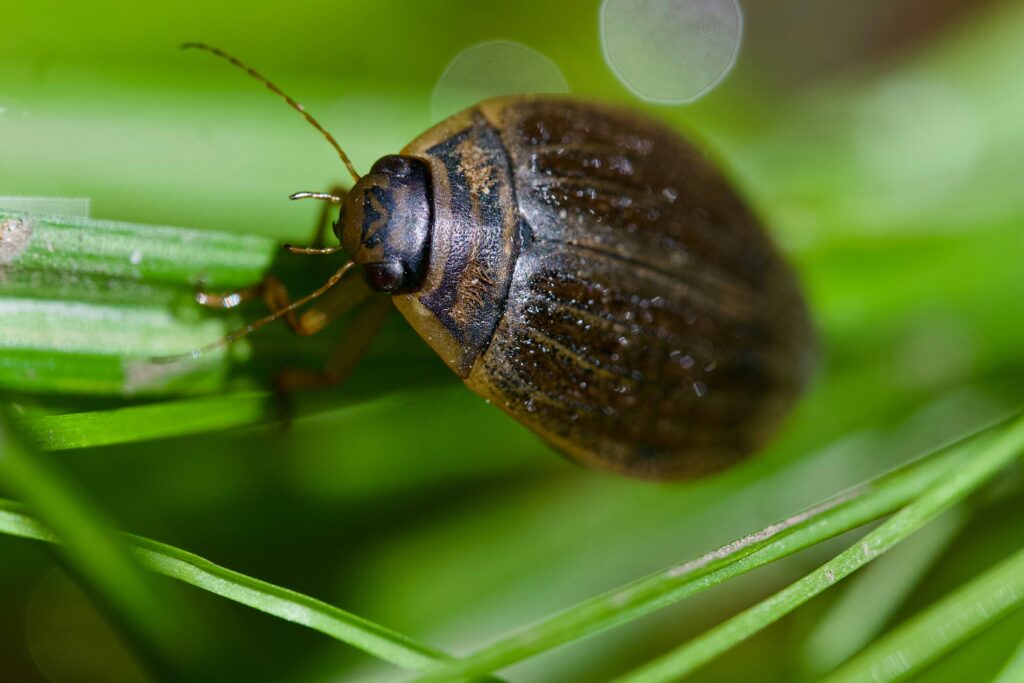
When addressing beetles on a home pest index, it is important to clarify that “beetle” is an incredibly broad term. While outdoor beetles are generally harmless garden visitors, a few specific species invade homes to destroy wood, ruin stored pantry foods, or destroy fabrics.
The Complete Guide to Household Beetles
Beetles represent the largest order of insects on earth. While the vast majority are vital to outdoor ecosystems, a handful of specialized species are notorious indoor pests. Left unchecked, specific household beetles can cause severe damage to your pantry goods, carpets, and structural wood.
1. Identification: Who is in Your Home?
Because beetle species vary wildly in their habits and destructive patterns, pinpointing exactly which type has entered your home dictates your entire control strategy.
Look closely at physical features, sizes, and where they congregate to identify the three most common indoor invaders:
-
Carpet Beetles: Tiny, oval-shaped, and often resemble miniature ladybugs but feature mottled patterns of black, yellow, and white scales. While the adults fly and eat pollen, their fuzzy, caterpillar-like larvae are the ones that hide in closets and eat natural fibers.
-
Pantry Beetles (e.g., Flour Beetles & Sawtoothed Grain Beetles): Microscopic to small, slender, and reddish-brown to dark brown. They are found almost exclusively inside kitchen cupboards, unsealed flour bags, cereal boxes, and dry pet kibble.
-
Powderpost Beetles: Small, elongated, reddish-brown to black beetles. You rarely see the insects themselves; instead, you will notice their damage—tiny, pinhead-sized exit holes in structural wood, hardwood flooring, or antique furniture, accompanied by a fine, flour-like wood dust (frass).
2. Why They Enter & What Keeps Them There
Beetles enter your home looking for very specific larval food sources, and an infestation usually begins silently long before you see an adult flying around a window.
-
Contaminated Grocery Items: Pantry beetles almost always enter the home as invisible eggs or larvae nested inside cardboard boxes of grains, flour, or dried fruits purchased from the grocery store. Once inside, they easily chew through plastic bags and paper packaging to colonize adjacent items.
-
Animal Byproducts and Keratin: Carpet beetles enter through open windows or door gaps in the spring, drawn to organic materials. They lay eggs near sources of keratin—a protein found in wool carpets, silk curtains, leather upholstery, taxidermy, down feathers, and accumulated pet hair behind baseboards.
-
Unseasoned or Damp Lumber: Powderpost beetles are typically introduced into a home via infested structural lumber during construction, or through raw, unsealed hardwood furniture and firewood stored indoors. They stay because the wood has a high moisture content, making it easy for larvae to chew through.
3. Potential Harm & Damage
Anatomy of Risk: Common household beetles do not bite humans or pets, nor do they carry dangerous blood-borne pathogens. Their threat is entirely economic, material, and dermatological.
Human, Child & Pet Health
-
Carpet Beetle Larvae Dermatitis: While adult carpet beetles are completely harmless, their crawling larvae are covered in sharp, microscopic hairs. When these hairs come into contact with human skin (often via infested blankets or mattresses), they can trigger an allergic reaction called “carpet beetle dermatitis,” which produces intensely itchy, red welts that are frequently misidentified as bed bug bites.
-
Gastrointestinal Irritation: Accidentally consuming pantry goods heavily infested with flour beetle larvae or their cast-off skins can cause mild gastrointestinal irritation and food spoilage symptoms in young children and pets.
Damage to the Property & Belongings
-
Ruined Fabrics and Natural Linens: Carpet beetle larvae will chew large, irregular holes through expensive wool rugs, heirloom sweaters, silk garments, and down pillows, entirely ruining the textiles.
-
Structural Wood Boring: Powderpost beetle larvae spend years tunneling through the interior of wooden beams, joists, and subfloors. Over a long period, a severe, untreated infestation can completely hollow out timber, reducing its load-bearing structural integrity to a crumbly powder.
3.5 When to Bypass DIY and Call a Professional
While kitchen cleanouts and thorough vacuuming can handle most carpet and pantry beetles, certain structural situations require immediate commercial intervention.
3 Signs It’s Time to Call an Exterminator
-
Powderpost Beetle Exit Holes in Framing: If you discover multiple fresh pinholes pouring out fine wood dust from your structural basement joists or crawlspace beams, you must call a professional. Structural wood-boring infestations often require specialized wood-penetrating chemical injections or whole-structure fumigation.
-
Widespread Carpet Beetle Damage: If you are finding chewed fabrics, cast skins, and active larvae simultaneously across multiple rooms, closets, and upholstered furniture pieces, the infestation has reached wall voids and requires professional residual treatments.
-
Unresolved Pantry Infestations: If you have thrown away your food and washed your shelves, but tiny brown beetles continue to emerge from behind your kitchen cabinetry weeks later, they have likely nested deep within the wall voids behind the drywall.
4. Prevention: How to Keep Them Out
An effective beetle defense focuses on strict pantry quarantine habits, regular deep vacuuming, and managing indoor wood moisture.
Structural Proofing & Storage Habits
-
The Freezer Quarantine: To prevent pantry beetle outbreaks, place newly purchased flour, grains, and birdseed bags into the freezer for 48 hours before storing them in your cupboards. The extreme cold completely neutralizes any hidden eggs or larvae.
-
Airtight Canisters: Move all dry goods out of original paper boxes and store them securely in thick glass or hard plastic airtight containers with heavy rubber seals.
-
Manage Accumulated Hair: Vacuum regularly along baseboards, beneath heavy furniture, and inside closet corners. Eliminating accumulated pet hair, dander, and lint starves carpet beetle larvae of their primary food resource.
-
Seal Exterior Wood: Ensure all exposed interior wood, structural trim, and wooden furniture items are stained, varnished, or painted. Powderpost beetles cannot penetrate sealed or finished wood surfaces to lay their eggs.
Natural Deterrents (Scent Barriers)
-
Cedar and Lavender: Carpet beetles have a natural aversion to the volatile aromatic oils found in cedar and lavender. Utilizing cedar hangers in closets and tucking dried lavender sachets into clothing drawers acts as an excellent organic shield for your garments.
-
Bay Leaves: Placing a loose dried bay leaf directly inside your flour, rice, and cereal canisters acts as a natural, food-safe deterrent that repels foraging pantry beetles without changing the flavor of your food.
5. Control & Eradication Methods
Eradicating beetles requires a highly targeted approach based on their food source. Aerosol “bug bombs” are highly discouraged as they fail to penetrate deep into grain bags, carpet bases, or wood grain.
Treatment Protocols
-
The Pantry Purge & Scrub (Step 1: Eliminate Pantry Species): Throw away all open, infested food packages directly into an outdoor trash bin. Remove all shelving and vacuum the entire cupboard thoroughly, paying special attention to the deep corners and cracks where flour dust accumulates. Wipe down the entire space with a 50/50 mixture of white vinegar and warm water to eliminate any remaining eggs.
-
Deep Fabric Extraction (Step 2: Eliminate Carpet Species): Wash all affected clothing, curtains, and linens in hot water and dry on high heat for at least 30 minutes to kill larvae and eggs through thermal exposure. Use a steam cleaner on carpets, rugs, and upholstered furniture, as the hot moisture instantly neutralizes larvae hidden deep within the fibers.
-
Perimeter Desiccant Dusting (Step 3: Secure Long-Term Borders): Use a precision powder duster to puff a fine layer of Boric Acid Powder or Food-Grade Diatomaceous Earth (DE) behind baseboards, under appliances, and along closet floor seams. These powders wear away the waxy protective coating of crawling beetle larvae, safely dehydrating and killing them without using heavy chemical sprays.