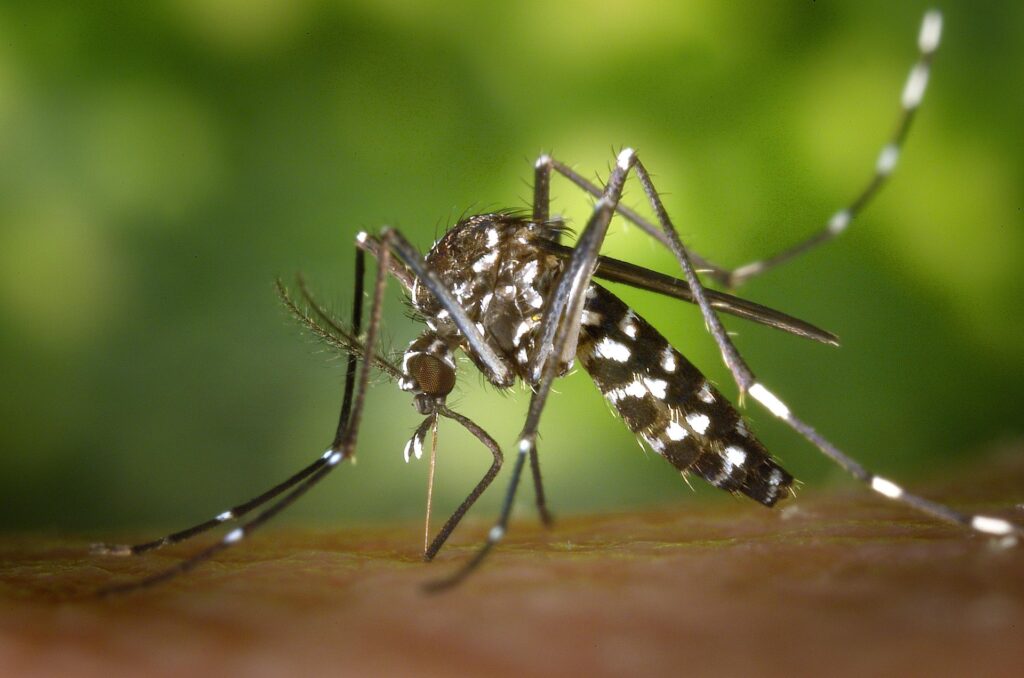
Mosquitoes are among the most frustrating seasonal pests, turning outdoor spaces unusable and occasionally making their way indoors. Because they are highly mobile flying insects that rely on standing water to breed, successful management requires addressing the yard environment as a whole rather than just focusing on the home’s interior.
The Complete Guide to Household Mosquitoes
Mosquitoes are highly persistent, blood-feeding pests that can quickly ruin outdoor living spaces and find their way through small tears in window screens to disrupt your sleep. Effective mosquito management focuses on breaking their reproductive cycle by eliminating stagnant water.
1. Identification: Who is in Your Yard?
While there are hundreds of mosquito species, a few specific types are responsible for the vast majority of residential bites and health concerns.
Look closely at physical markings, landing postures, and feeding times to identify the primary troublemakers:
-
Culex Mosquitoes (House Mosquitoes): Medium-sized, dusky brown, and unremarkable in appearance. They are primarily active from dusk to dawn and are notorious for entering homes through open doors. They prefer laying eggs in stagnant, organically polluted water like clogged gutters or birdbaths.
-
Aedes Mosquitoes (Floodwater / Asian Tiger Mosquitoes): Easily recognized by their aggressive behavior and distinct black-and-white striped bodies and legs. Unlike other species, they are vicious daytime biters and will lay eggs in microscopic amounts of water, such as a bottle cap or the lip of a plastic toy left in the grass.
-
Anopheles Mosquitoes: Distinguished by their unique resting posture; their bodies sit at a sharp 45-degree angle to the surface they land on, with their hind legs lifted. They prefer clean, unpolluted water sources like ponds, marshes, and slow-moving stream edges.
2. Why They Enter & What Keeps Them There
Mosquitoes are drawn to your property by environmental cues, and only the females bite because they require the protein found in blood to develop their eggs.
-
Attracted to the Host: Mosquitoes use highly sophisticated sensory organs to track down targets. They can detect the carbon dioxide you exhale from over 30 meters away, and are drawn closer by body heat, movement, and lactic acid found in human sweat.
-
Stagnant Water Dependencies: Mosquito eggs must hatch in water, and the larvae spend their first week of life entirely submerged. Any object that holds standing water for more than 4 to 5 days acts as an active nursery for thousands of new mosquitoes.
-
Overgrown Landscape Shading: Adult mosquitoes have delicate bodies that dry out easily under the hot midday sun. To survive the heat of the day, they seek out dark, humid microclimates provided by tall grass, dense shrubs, overgrown ivy, and woodpiles.
3. Potential Harm & Damage
Immediate Health Priority: Mosquitoes are globally recognized as the most dangerous creature to human health due to their ability to act as biological vectors for severe, transmissible pathogens.
Human, Child & Pet Health
-
Disease Transmission: When a mosquito bites, it injects its own saliva into the skin to prevent your blood from clotting. If the insect is infected, it transmits viruses directly into the bloodstream. Key regional risks include West Nile Virus and Eastern Equine Encephalitis (EEE), both of which can cause severe neurological complications.
-
Allergic Skin Welts: The body’s immune system reacts to the foreign proteins in mosquito saliva, creating localized, itchy red welts. Intense scratching can easily break the skin, leaving children particularly vulnerable to secondary bacterial skin infections.
-
Heartworm Threat to Pets: Mosquitoes present a fatal threat to domestic dogs and cats by transmitting Heartworm larvae (Dirofilaria immitis) through their bites. Unprotected pets can develop severe, life-threatening cardiovascular blockages.
Damage to the Property
-
Zero Structural Footprint: Mosquitoes cause no structural or cosmetic damage to buildings, woodwork, or framing. Their threat is entirely focused on the physical health and comfort of the inhabitants.
3.5 When to Bypass DIY and Call a Professional
While localized yard prep goes a long way, certain environmental conditions require commercial intervention to restore safety to the property.
3 Signs It’s Time to Call an Exterminator
-
Adjacent, Unmanageable Water Sources: If your property borders an unreachable swamp, drainage ditch, or a neighbor’s abandoned swimming pool, DIY yard treatments will be constantly overwhelmed. Professionals must establish heavy chemical residual barriers or apply commercial larvicides to the water source.
-
Daytime Swarming: If stepping into your yard during full sunlight results in immediate, aggressive swarming, an intense breeding ground is established directly on or near your perimeter.
-
Local Disease Advisories: If your local health department issues an official warning regarding active West Nile Virus or EEE detections in your area’s mosquito population, bypassing DIY testing in favor of a professional perimeter lockdown is highly recommended for child and pet safety.
4. Prevention: How to Keep Them Out
An effective defense against mosquitoes requires a dual approach: eliminating their ability to breed outdoors and securing your home’s physical entry points.
Structural Proofing & Maintenance
-
Screen Inspections: Ensure tight-fitting screens are installed on all windows and doors. Check for tiny tears, punctures, or gaps along the frame, as a mosquito can easily slip through an opening the size of a matchstick.
-
Tip and Toss Routine: Walk your property once a week to empty standing water from flowerpot saucers, tarps, old tires, plastic toys, and buckets. Clean and change the water in birdbaths every 3 days.
Natural Deterrents (Scent Barriers)
Mosquitoes rely heavily on clean chemical tracking to locate hosts, and strong botanical oils disrupt their navigation.
-
Lemon Eucalyptus Oil: Highly concentrated oil of lemon eucalyptus is an excellent natural spatial deterrent. Planting lemon eucalyptus, lavender, or citronella grass around patio perimeters helps mask human scents.
-
The Power of Moving Air: Mosquitoes are incredibly weak flyers, averaging speeds of less than 2 miles per hour. Installing high-velocity outdoor ceiling fans or floor fans on decks creates a wind barrier that they physically cannot fly through to land on your skin.
5. Control & Eradication Methods
To successfully eliminate a mosquito problem, you must target both the invisible swimming larvae in the water and the resting adults hiding in the foliage.
Treatment Protocols
-
Neutralize the Water (Step 1: Target the Larvae): For permanent standing water features that cannot be drained (like water gardens, rain barrels, or ponds), drop in a Mosquito Dunks or larvicide ring containing Bacillus thuringiensis israelensis (BTI). BTI is a natural, soil-borne bacterium that targets and destroys the digestive tracts of mosquito larvae within hours, while remaining completely safe for birds, fish, frogs, and pets.
-
Treat the Resting Zones (Step 2: Knockdown the Adults): Use a specialized backyard perimeter spray (containing pyrethroids or cedar oil concentrates) to treat the undersides of leaves, dense bushes, tall grass, and dark areas under decks. This establishes a residual surface shield that kills adult mosquitoes when they land to rest during the heat of the day.
-
Establish Spatial Protection (Step 3: Secure Active Zones): When utilizing outdoor seating areas, deploy a spatial repellent device (like a Thermacell). These portable heat-activated devices create a 15-to-20-foot zone of protection by vaporizing a synthetic version of natural chrysanthemum insecticide, keeping the immediate air clear of flying pests without requiring skin sprays.