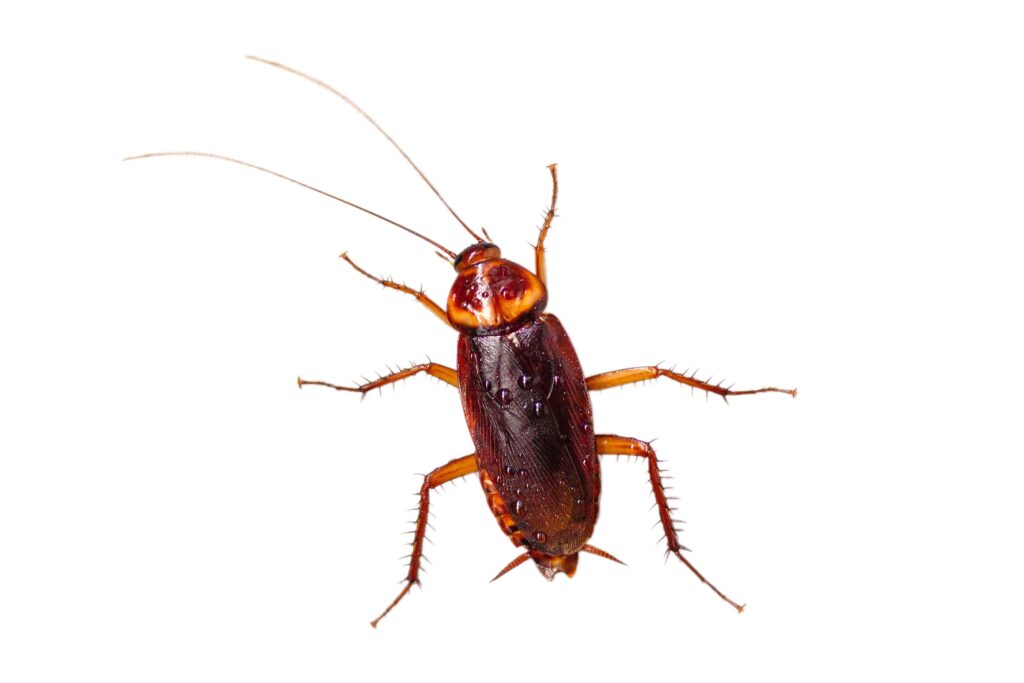
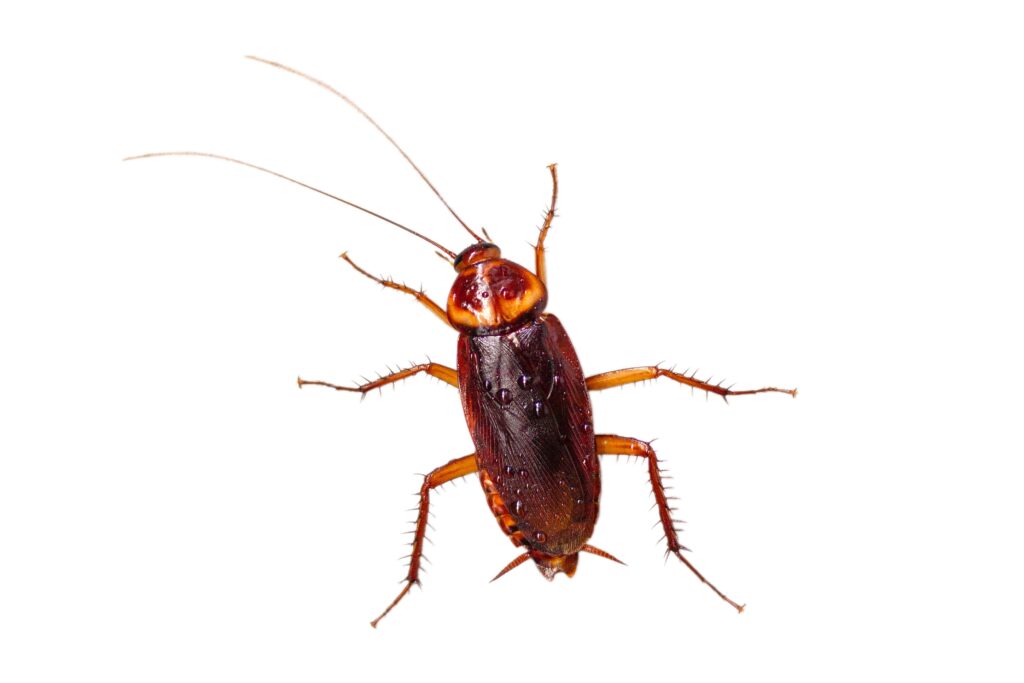
Cockroaches are among the most resilient and distressing pests a homeowner can face. Because they are nocturnal, master hiders, and rapid breeders, a small sighting can indicate a much larger infestation hidden behind your walls.
The Complete Guide to Household Cockroaches
Cockroaches are far more than a visual nuisance; they are a direct hazard to human health and one of the most stubborn pests to eradicate once established. Understanding their habits is the first step to reclaiming your home.
1. Identification: Who is in Your House?
Cockroaches vary significantly in size, habits, and nesting preferences. Identifying the specific type tells you exactly where to look for their hiding spots.
Look closely at the size, color, and markings to identify the three most common indoor invaders:
-
German Cockroaches: Small ($13\text{mm}$ to $16\text{mm}$), light brown to tan, featuring two dark, parallel stripes running down their backs just behind the head. They are the most common indoor species and prefer warm, humid areas like kitchens and bathrooms.
-
American Cockroaches: Large ($35\text{mm}$ to $50\text{mm}$+), reddish-brown with a yellowish figure-eight pattern on the back of their heads. They have fully developed wings and can fly short distances, frequently entering from sewers, drains, or basements.
-
Oriental Cockroaches: Medium-large ($25\text{mm}$), shiny black or dark dark brown, with a distinct oily appearance. Often called “waterbugs,” they thrive in dark, freezing-damp environments like crawl spaces, floor drains, and sump pumps.
2. Why They Enter & What Keeps Them There
Cockroaches are opportunistic survivors. They enter homes looking for specific microclimates that offer moisture and darkness, and they stay because of easy access to organic matter.
-
Entry Pathways: Cockroaches enter through structural gaps, under doors, up through floor drains, or by hitchhiking inside cardboard delivery boxes, grocery bags, and secondhand appliances.
-
Food Attractants: They are omnivorous scavengers. While they love grease, sugars, and starches, they will happily eat organic matter like cardboard boxes, bookbindings, wallpaper paste, hair, and even soap flakes if food is scarce.
-
Moisture Dependencies: Cockroaches can survive for weeks without food, but they will die within days without water. This is why they congregate around leaking pipes, refrigerator condensation pans, dripping faucets, and pet water bowls.
3. Potential Harm & Damage
Critical Danger: Unlike ants, cockroaches pose a severe and immediate risk to human health. They are biological vectors for pathogens and a leading trigger for respiratory issues.
Human, Child & Pet Health
-
Pathogen Transmission: Cockroaches feed and walk through filth (sewers, garbage, decay) before walking on your food and countertops. They mechanically transmit bacteria like Salmonella, E. coli, and Listeria, which can cause severe food poisoning.
-
Asthma and Allergies: Cockroaches constantly shed their skin, drop feces, and secrete saliva. These airborne particulates contain potent allergens. Studies show that cockroach debris is a primary cause of chronic asthma attacks and severe allergic reactions, particularly in young children.
Damage to the Property
-
Staining and Odors: An infestation produces a distinct, musty, oily odor that clings to fabrics and spaces. Their acidic feces can leave permanent dark speckling and stains on walls, baseboards, and inside cabinets.
-
Component Ruin: Like certain ants, cockroaches will nest inside warm electronic housing (microwaves, gaming consoles, internet routers), where their waste can short-circuit delicate circuit boards.
4. Prevention: How to Keep Them Out
Because cockroaches can squeeze through gaps as thin as a dime, exclusion and environmental management are your best defenses.
Structural Proofing
-
Eliminate Moisture: Fix plumbing leaks under sinks immediately, seal gaps around drain pipes, and dry out damp basements with a dehumidifier.
-
Seal Gaps: Install door sweeps on all exterior doors, and use silicone caulk or expanding foam around baseboards, wall outlets, and where pipes enter walls.
Environmental Deterrents (Scent Barriers)
Cockroaches have highly sensitive chemical receptors, and certain clean, pungent smells repel them from nesting in specific zones.
-
Eucalyptus & Citrus: Cockroaches intensely dislike the scent of citrus oils and eucalyptus. Wiping down high-risk areas with diluted essential oils acts as an aromatic shield.
-
Bay Leaves: A popular natural remedy, crushing dry bay leaves and placing them in the back of kitchen pantries or cabinets acts as a strong deterrent that keeps them away from food packages.
5. Control & Eradication Methods
If you see one cockroach during the day, there are likely dozens more hidden nearby. Standard aerosol sprays (like classic Raid) are highly discouraged for German cockroaches, as they often scatter the colony deeper into the walls (a process called “budding”).
Treatment Protocols
Apply small, pea-sized dots of specialized cockroach gel bait (containing active ingredients like fipronil or indoxacarb) into dark corners, cabinet hinges, and behind appliances. Cockroaches eat the bait, return to their hiding spots, die, and because they are cannibalistic, the rest of the hidden colony eats the carcass and dies too.
Deploy IGR discs or sprays alongside your bait. IGRs act as birth control for the colony; they prevent juvenile roaches from maturing into breeding adults and sterilize existing adults, systematically crashing the population.
Puff Boric Acid or Diatomaceous Earth lightly into wall voids, electrical outlets (using a plastic duster), and deep under heavy appliances. When roaches walk through the dust, it clings to them. As they groom themselves, they ingest it, destroying their digestive tracts and outer shells.